

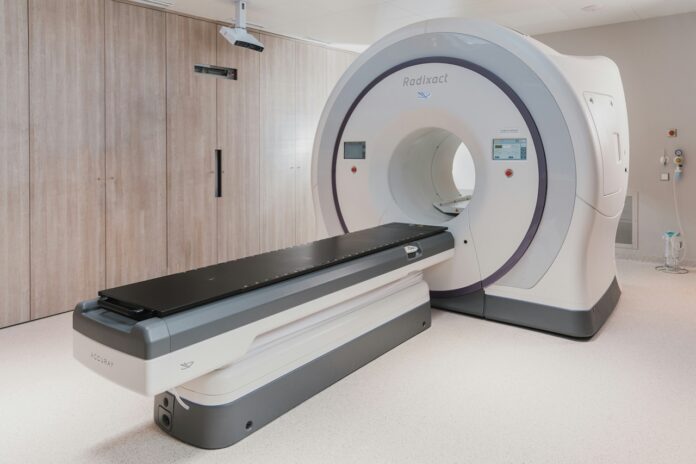
Early diagnosis often changes the entire direction of medical care. A condition found at the right moment may be treated faster, monitored more accurately, and managed with far less risk. That is why radiology holds such a central place in modern medicine. It does not simply confirm what is already obvious. In many cases, radiology helps reveal what the body has not yet managed to express clearly through symptoms alone.
This quiet role becomes even more valuable in a world where speed and access matter in almost every field, including digital platforms such as 4rabet India, where structure and timing define user experience. In medicine, the same principle appears in a far more serious form. The right image at the right time can bring hidden changes into view before pain grows stronger, before function declines, and before a disease has the chance to spread or deepen.
Table of Contents
Why Radiology Matters So Much in Early Diagnosis
Radiology gives medicine something it has always needed: a way to look beneath the surface without opening the body. X-rays, ultrasound, CT scans, MRI, and mammography each serve different purposes, but all share one essential advantage. These tools make internal changes visible long before a physical examination can tell the whole story.
That timing matters. A fracture that seems minor may show a more complex pattern on imaging. A cough that feels routine may reveal early lung changes. A headache may require imaging to rule out something more serious than stress or fatigue. In each case, radiology helps move care away from guesswork and toward evidence.
Another reason radiology matters is consistency. Symptoms can be vague. Pain may travel. Inflammation may mimic something else. Imaging gives doctors a clearer map. That map supports better decisions, whether the next step is treatment, surgery, observation, or reassurance.
Where Radiology Makes the Earliest Difference
Radiology supports early diagnosis in many branches of medicine, not just in one dramatic area. The real strength of imaging lies in how widely it can be used.
Fields Where Imaging Often Changes the Timeline
- Oncology
Imaging helps detect tumors, suspicious masses, or abnormal tissue changes before a condition becomes advanced. - Cardiology
Radiology can reveal enlarged structures, blocked vessels, or early signs of damage that may not yet produce obvious warning signs. - Neurology
Brain and spinal imaging often helps identify strokes, bleeding, nerve compression, or structural abnormalities at an early stage. - Orthopedics
Small fractures, joint degeneration, soft tissue damage, and spinal alignment issues become easier to identify with the right scan. - Gynecology and obstetrics
Ultrasound plays a major role in monitoring development, spotting abnormalities, and guiding safe care decisions. - Pulmonology
Chest imaging may detect infections, fluid buildup, chronic lung disease, or suspicious lesions before symptoms fully escalate.
Each field uses radiology in a different way, yet the pattern remains the same. Earlier visibility often leads to earlier action, and earlier action usually expands the range of useful choices.
Radiology in Cancer, Heart, and Brain Care
Cancer care offers one of the clearest examples of radiology’s value. Screening mammograms, chest imaging, abdominal scans, and other studies often help detect suspicious changes before a condition reaches a later stage. That does not guarantee an easy road, but it can improve the odds of more focused and timely treatment.
In heart care, imaging often works like a warning system. It may reveal narrowed vessels, changes in blood flow, or strain on the heart before a crisis arrives. In brain care, the speed of radiology becomes even more critical. A scan can help distinguish between different causes of sudden neurological symptoms, which is essential because the wrong assumption in that setting can cost precious time.
What Makes Radiology Effective Beyond the Machines
Good radiology is not only about advanced equipment. A machine may produce the image, but interpretation gives that image meaning. Context matters. Technique matters. Communication between clinicians and radiologists matters too.
What Strengthens the Value of Medical Imaging
- Proper timing
An early scan is often more useful than a delayed one after symptoms have grown more complicated. - Correct modality selection
Not every problem needs the same test. Choosing the right imaging method matters as much as reading the result. - Clinical correlation
Imaging works best when paired with symptoms, lab results, and medical history. - Skilled interpretation
Small findings can carry major importance when read by experienced eyes. - Follow-up comparison
Repeat imaging may show whether a condition is stable, improving, or quietly progressing.
That is the part people rarely talk about outside medicine. Radiology is not magic. It is a disciplined system of observation. When used well, it gives medicine a stronger memory and a sharper eye.
A Field That Connects the Whole Picture
Radiology sits at the crossroads of many specialties because the body rarely respects neat boundaries. A chest scan may help pulmonology, cardiology, oncology, and emergency medicine at the same time. An MRI may guide both neurology and surgery. This connective role makes radiology one of the most important support systems in modern healthcare.
Early diagnosis is often described as a race against time, and that description is not wrong. Disease rarely stands still. Radiology helps medicine respond before silence turns into crisis. In that sense, imaging does more than produce pictures. It helps turn uncertainty into direction, and direction, in medicine, can make all the difference.
