

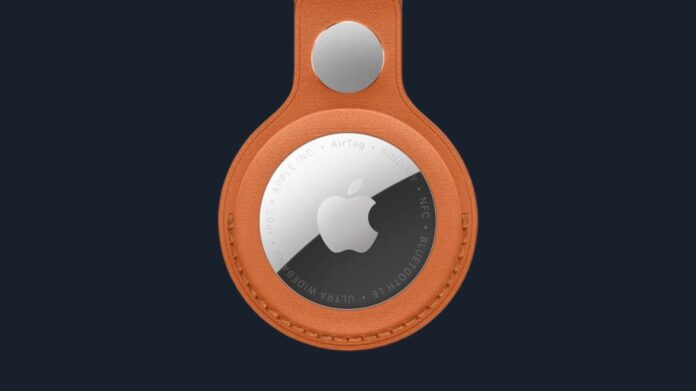
Apple has launched AirTag 2, and at first glance, it doesn’t look any different from the original. That’s intentional. The real changes are under the hood, and they’re aimed at fixing the most common frustrations people had with Apple’s tracker. AirTag 2 is available starting today, priced at Rs 3,790 for a single unit or Rs 12,900 for a pack of four, which is unchanged from the earlier model.
The biggest upgrade is range. Apple has added its newer Ultra Wideband chip, the same one used in recent iPhones and Apple Watches. In everyday use, this means Precision Finding now starts working from farther away. Earlier, it only kicked in when you were already quite close to the item. With AirTag 2, guidance begins sooner, which makes a noticeable difference in large spaces like airports, parking lots, or crowded public areas. Bluetooth range has also been extended, helping the tracker stay connected over longer distances.
Apple has also made AirTag 2 easier to hear. The built-in speaker is now around 50 percent louder, which should help when the tracker is buried inside a bag, wedged under a sofa, or lost somewhere noisy. Another practical change is that Precision Finding now works on newer Apple Watch models as well, so you don’t always need to reach for your phone to track something down.
The Find My network continues to do most of the heavy lifting. When an AirTag 2 moves out of Bluetooth range, nearby Apple devices can anonymously relay its location back to you. Apple is also leaning more into the Share Item Location feature, especially for travel. If your luggage goes missing, you can temporarily share the AirTag’s location with participating airlines. Apple says more than 50 airlines support this feature, and industry data suggests it has helped reduce delayed and permanently lost baggage.
On the privacy side, nothing has changed—and that’s probably for the best. Location data remains encrypted, AirTag 2 doesn’t store movement history, and built-in alerts are designed to reduce the risk of unwanted tracking. This remains one area where Apple continues to be more careful than many competitors.
Physically, AirTag 2 hasn’t changed, which means existing accessories and keyrings still work. Apple also says the new version uses a higher proportion of recycled materials.
If you’re already deep into the Apple ecosystem and tend to misplace keys, bags, or luggage, AirTag 2 remains one of the easiest trackers to live with. For existing AirTag users, the upgrade mainly makes sense if range or volume were pain points earlier. And if you’re on Android, alternatives like Tile are still the more practical choice.
